

Marriage Preparation: A Practical Guide for Couples and Families Before the Wedding
By the Skymilan.com team4 min read
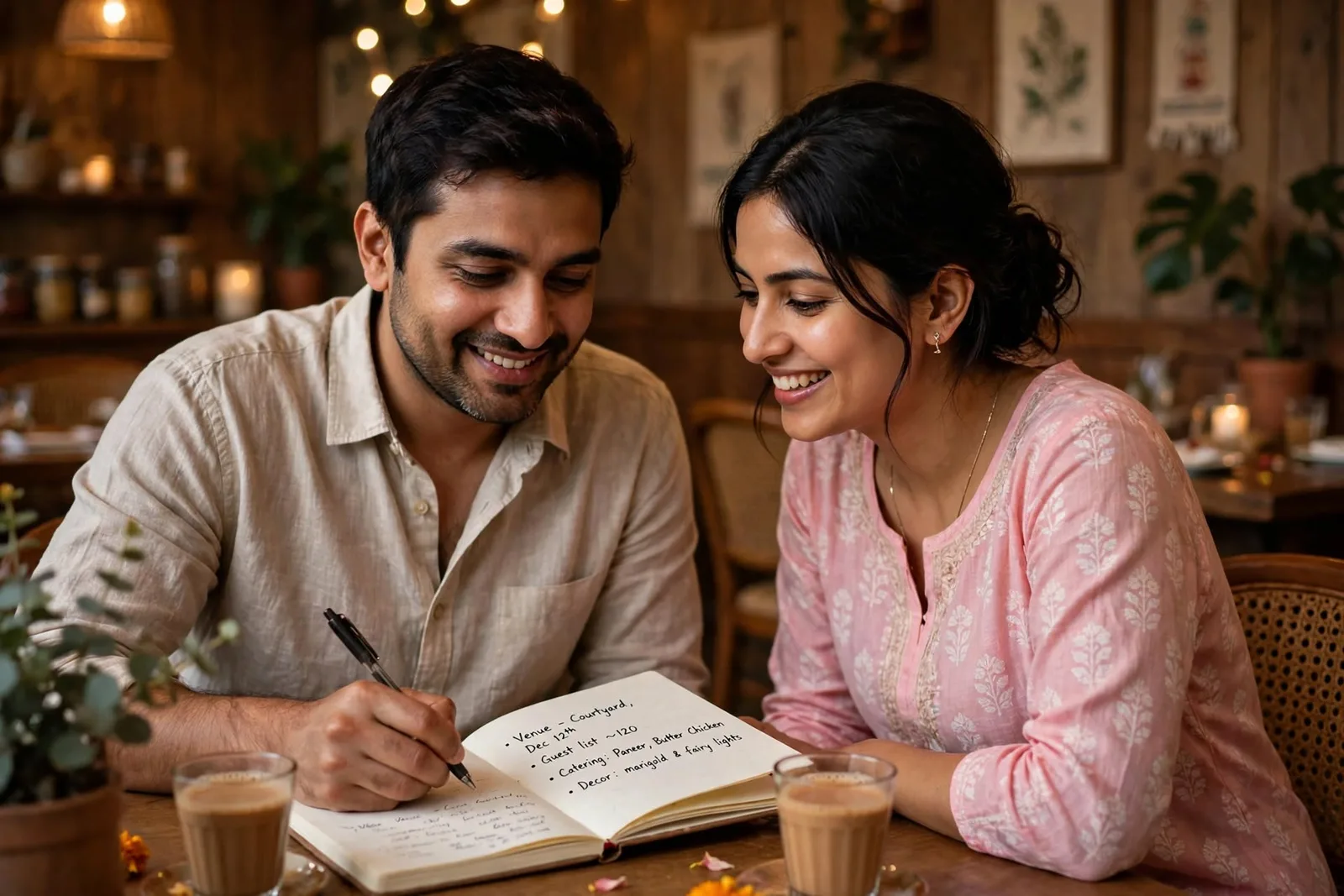
Wedding planning can take over everything: the venue, the guest list, the clothes, the food. These matter, but a wedding is one day, and a marriage is the life that follows. Couples who spend time preparing for that life, and not only for the celebration, usually begin with more confidence and fewer surprises. Here is a practical guide to what to talk about and what to arrange.
Start with the conversations, not the checklist
A few honest conversations will do more for your marriage than a perfect schedule. Set aside quiet time, away from family gatherings, and talk about:
- Expectations: What does a good ordinary day look like for each of you? Who does what at home?
- Communication: How do you each handle stress or anger? Do you prefer to talk straight away or to take time first?
- Priorities: Which three things matter most to you over the next five years, such as career, home, children or helping parents?
- Boundaries: What do you need to keep private, and how much of your life will you share with each other's families?
You will not agree on everything, and you do not need to. The aim is to understand each other and agree on how you will handle differences.
Talk about money openly
Money is one of the most common sources of tension in a new marriage, and it is easier to discuss before it becomes a problem.
- Share an honest picture of your income, savings, loans and any family financial responsibilities.
- Decide whether you will keep joint accounts, separate accounts or a mix, and how you will make larger decisions together.
- Agree on a budget for the wedding itself, and avoid starting married life in debt for the sake of a bigger celebration.
- Discuss how you will support parents or other relatives, and what each of you is comfortable with.
Plan where and how you will live
Many couples move city, change homes or begin living with extended family after marriage. Talk through where you will live, how household responsibilities will be shared, and what privacy each of you needs. If one of you is relocating, discuss how you will help each other settle in: new work, new friends, a new routine and time to visit family.
Understand the role of both families
In many families a wedding joins two households, not only two people. Speak kindly and clearly about how involved each side will be, how festivals and visits will be shared, and how you will make decisions as a couple when family opinions differ. Agree on how you will support each other when a disagreement with a relative comes up, and try to speak with one voice.
Look after health and family planning
It is sensible to take care of health before the wedding. Consider a general health check-up for each of you, and share any important medical information with each other honestly and privately. Talk about whether and when you would like to have children, and how you will manage if plans change. If either of you has concerns, a conversation with a doctor or a counsellor can help.
Know the legal and practical basics
Marriage also has a legal side. In India, a marriage is usually registered under the law that applies to your community, such as the Hindu Marriage Act, the Special Marriage Act or the personal law that applies to you. Find out what documents are needed, such as proof of age and address, photographs and certificates, and arrange them early. Update your name, address and nominee details on identity documents, bank accounts and insurance after the wedding. If you are unsure, ask a lawyer or the local registrar's office.
Keep the wedding in perspective
Every family wants the wedding to go well. To keep stress down:
- Divide the planning between both families and trusted friends, and keep a simple shared list.
- Decide the most important two or three things for you, and let the rest be flexible.
- Allow extra time and money for the unexpected.
- Rest properly in the weeks before the wedding, and plan a quiet time together afterwards.
Build habits that last
Small habits matter more than grand gestures. Decide that you will make time to talk every day, say thank you often, and raise problems early and kindly. Many couples find it helpful to have a regular, relaxed check-in about how things are going, including money, family and plans. If you ever feel stuck, asking for help from a trusted elder or a counsellor is a sign of care, not weakness.
A final thought
No couple is ever fully prepared, and no marriage is free of difficulty. But a couple who talk openly, respect each other's families and make decisions together begin with a strong foundation. Use the weeks before the wedding to understand each other better, and let the celebration be the happy beginning of a life you are building together.
Still looking for the right person? Create your profile and meet people who share your values.
Keep reading

Safety awareness
Staying Safe While Looking for a Life Partner Online: A Practical Safety Guide
Most people you meet online are genuine, but a few are not. Simple habits for protecting your information, spotting warning signs and meeting someone safely.
Community & culture
Community and Culture in Marriage: Honouring Traditions While Building a Life Together
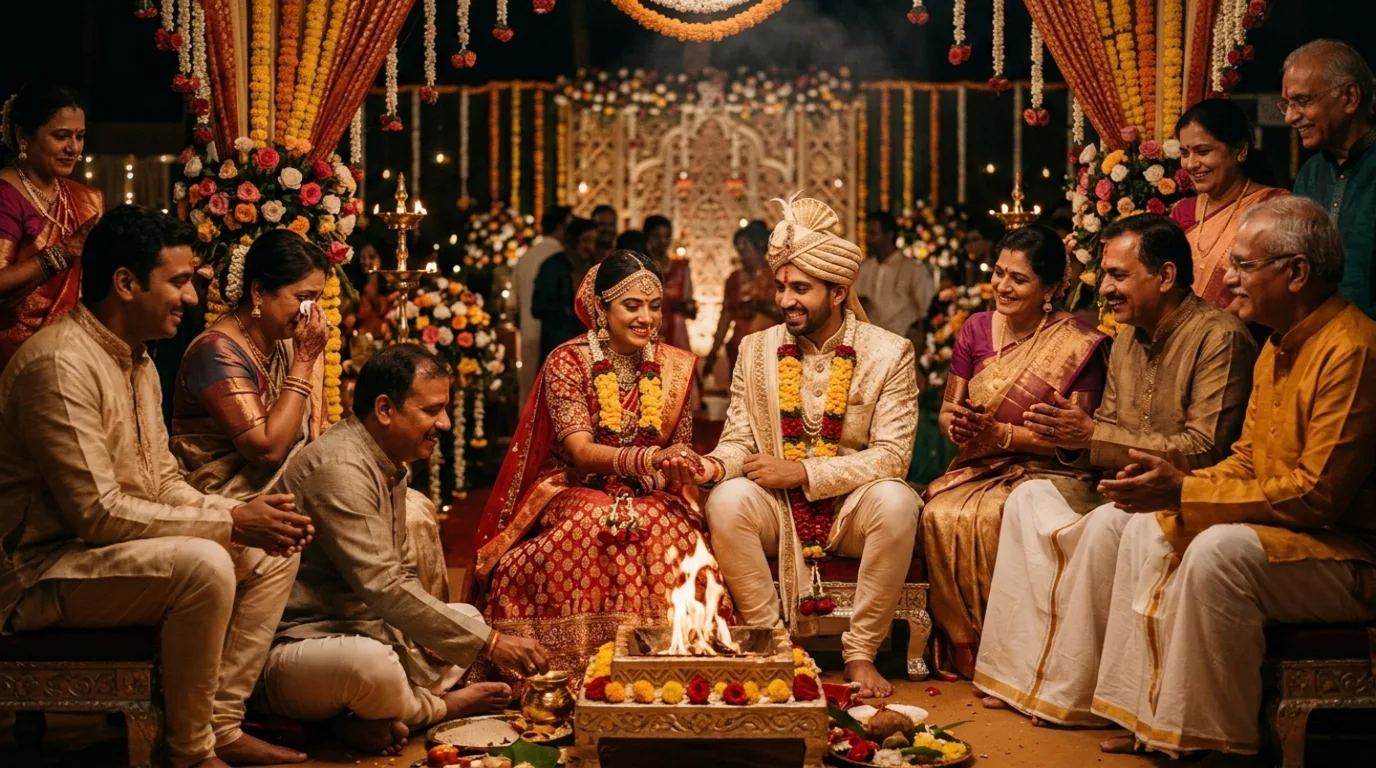
Traditions give a wedding its meaning and a family its identity. Here is how couples can respect rituals and community values while making choices that suit them.
Marriage across India
Marriage Across India: A Guide to Matches Between States, Languages and Traditions
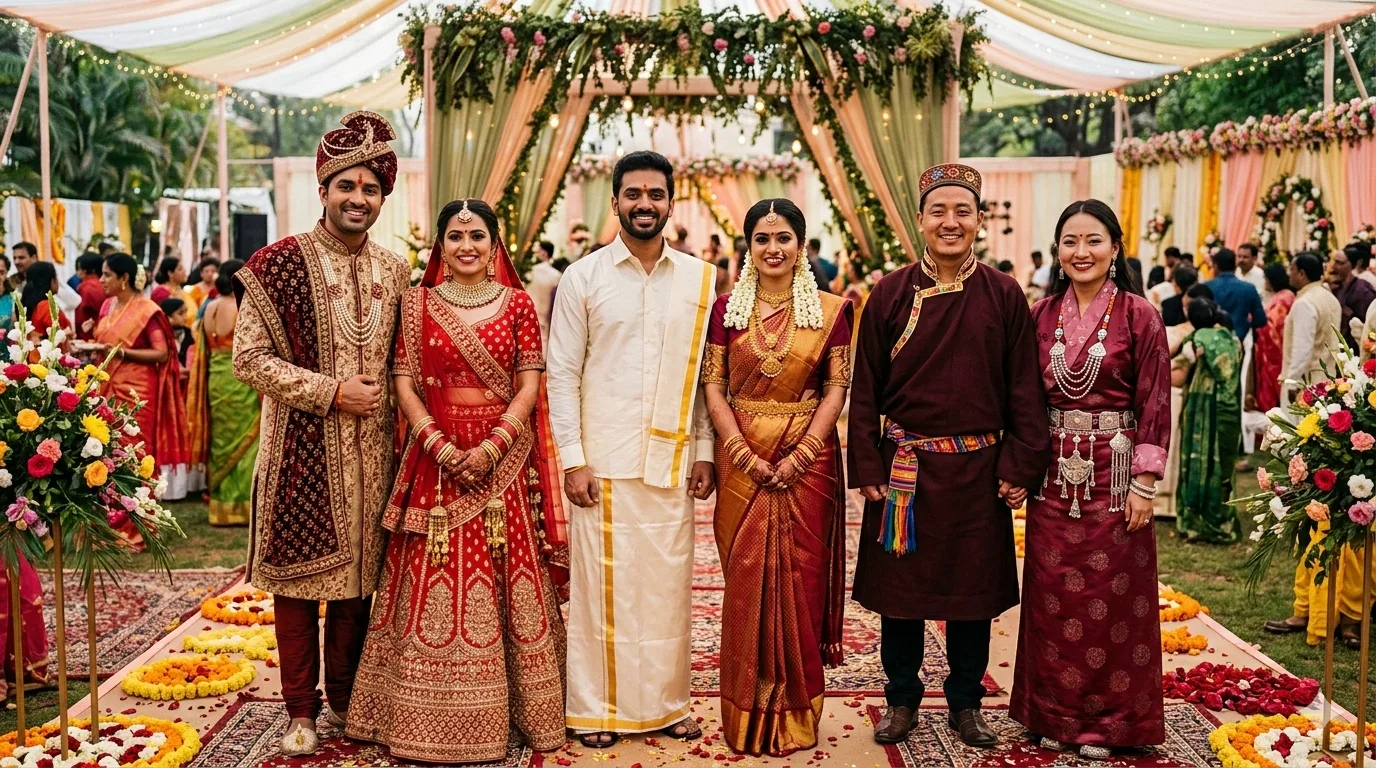
Marrying someone from another state brings new languages, food and customs. Here is how couples and families can prepare, understand each other and settle into a new city together.