

Marriage Across India: A Guide to Matches Between States, Languages and Traditions
By the Skymilan.com team5 min read
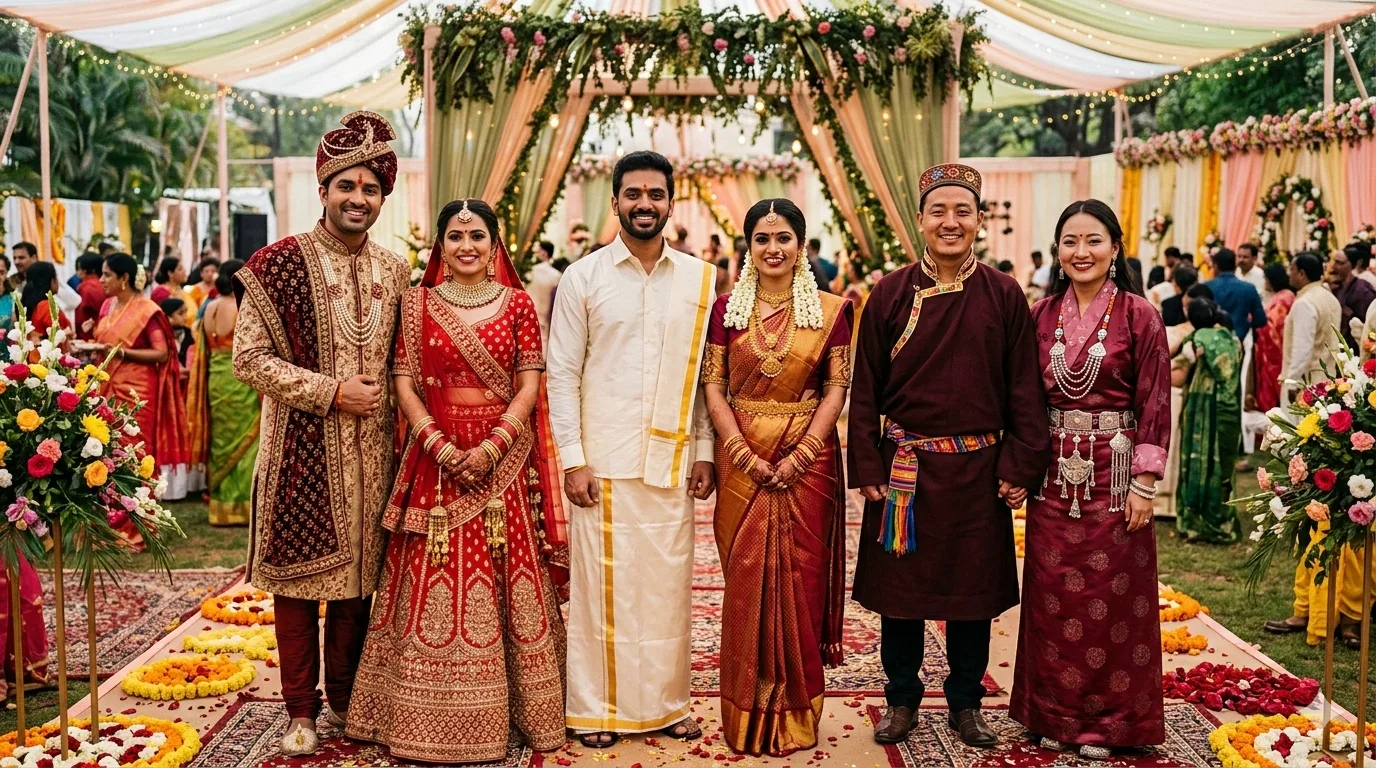
India is a country of many languages, foods, festivals and ways of living. A person from Punjab, Kerala, Assam or Gujarat may grow up with very different customs, yet share the same values of love, respect and family. More and more people are open to a match from another state, whether it is for a career, a shared interest or simply because the right person lives far away. A marriage across regions can be rich and rewarding, and it helps to go into it with open eyes. Here is a guide for couples and families.
See the differences as a strength
Differences in language, food, clothing and festivals can feel big at first, but many couples find that they bring something special to a marriage. Children grow up knowing more than one culture, and families learn new traditions. Start with curiosity: ask each other about your childhood, your festivals, your favourite dishes and what home means to you. Genuine interest builds closeness and removes many worries.
Talk about language
Language is one of the first questions in a match across states. A couple may speak a common language such as Hindi or English, but family members, especially elders, may speak only their mother tongue. Talk about:
- Which language you will speak at home, and which you would like your children to learn.
- How comfortable each of you is in the other's language, and whether you would like to learn it.
- How you will help each other, and each other's parents, to communicate warmly, even if only through simple words, gestures and patience.
Many families find that a few phrases learnt with affection mean more than perfect grammar.
Understand each other's customs and rituals
Weddings, naming ceremonies, festivals and everyday habits vary widely across India. Ask what each side considers essential and where there is room to adapt. You might blend traditions in the wedding, such as combining rituals from both families, or choose a ceremony that respects both. Explain the meaning behind customs to each other and to relatives who are unfamiliar with them. When families understand why a ritual matters, they are far more likely to respect it.
Talk about food and daily life
Food habits can differ a great deal, from vegetarian or non-vegetarian preferences to spice levels, meal times and fasting customs. These small matters shape daily life, so discuss them honestly. Decide how you will manage cooking, shopping and festivals, and be patient as you learn to enjoy each other's cuisines. Many couples find that sharing recipes becomes a joyful way of connecting with each other's families.
Prepare for moving to a new city
Marriage across states often means that one or both partners move to a new city. Moving is a big change: a new home, a new climate, a new language and often a new job. Talk about:
- Where you will live, and how the decision was made.
- Career plans, and how you will support each other if one partner needs to find a new job.
- How you will build new friendships, and what community groups or organisations can help.
- How often you will visit each family, and how you will share the costs of travel.
It helps to keep a little extra savings for the first year, and to make time to explore your new city together.
Bring the two families closer
When the families live in different states, they may meet less often, and misunderstandings can grow. Arrange video calls and visits before the wedding so that the families can get to know each other. Include grandparents, aunts and uncles, who can be important in building trust. Be kind in your questions and respectful in your answers. A little effort to learn about the other family's background, festivals and values goes a long way.
Be careful with stereotypes
Every region has stereotypes, and most of them are unfair. A person is not their state: individuals differ in nature, habits and beliefs wherever they are from. Try to know the person, and not the label. If a relative repeats an unkind generalisation, answer gently and share what you have learnt about your partner.
Stay safe when the match lives far away
When a match lives in another state, it is not always easy to meet quickly. Take the extra steps to be sure: have several video calls, speak with the family, and try to verify details such as work and education. Never send money, OTPs or bank details to someone you have not met in person and known for a long time. Meet in a public place when you can, and tell a trusted person where you are going. Report anything that feels wrong.
Keep communicating after the wedding
The first year of marriage is about adjusting to each other and to a shared life. Set aside time to talk about how things are going, including what feels easy and what feels hard. Celebrate festivals from both traditions, and keep in touch with both families. Over time, the differences that once seemed large often become the stories you share with the people you love.
A final thought
A marriage across states asks for patience, curiosity and respect, and it rewards you with a wider, richer family and a deeper understanding of our country. Take your time, ask thoughtful questions and welcome each other's world.
Ready to look beyond your own state? Create your profile and meet people from across India. Read our advice on meeting safely on our safety page.
Keep reading

Safety awareness
Staying Safe While Looking for a Life Partner Online: A Practical Safety Guide
Most people you meet online are genuine, but a few are not. Simple habits for protecting your information, spotting warning signs and meeting someone safely.
Community & culture
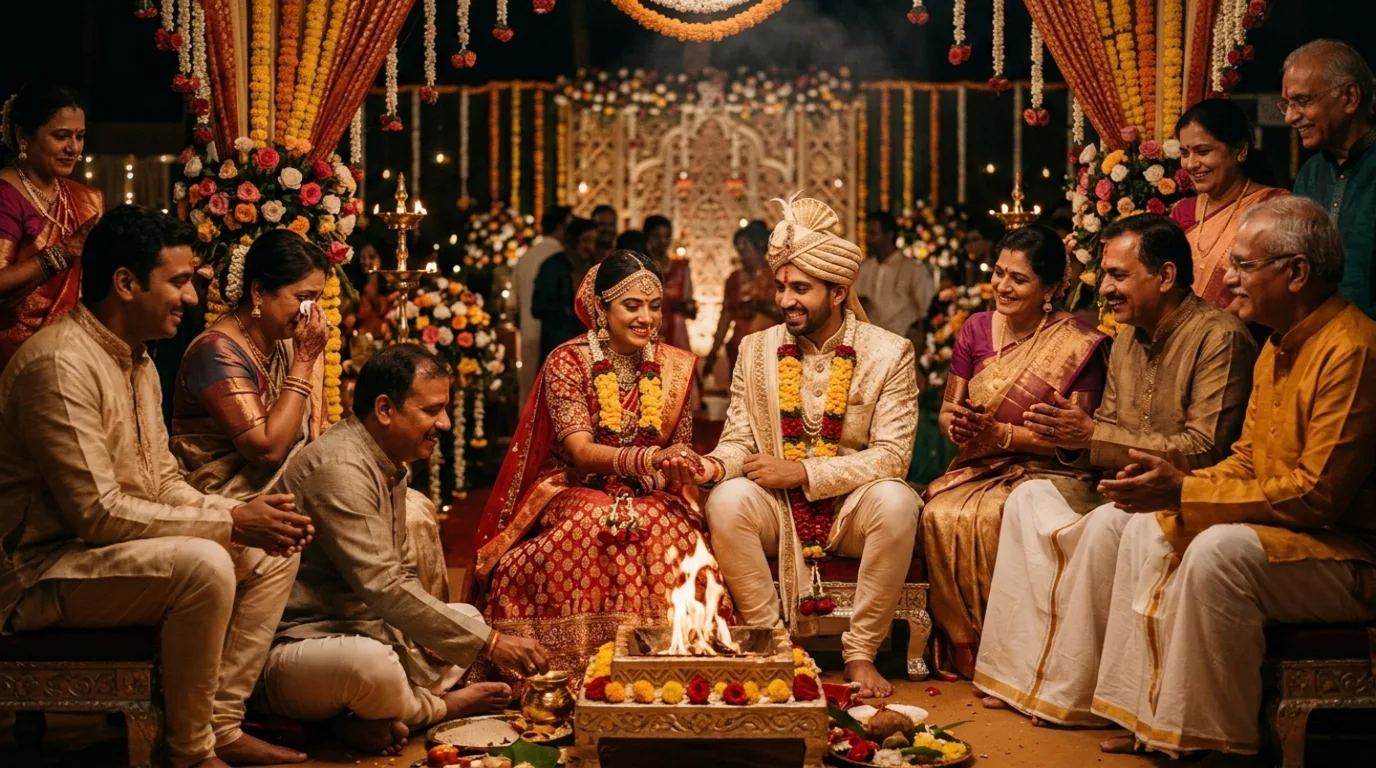
Community and Culture in Marriage: Honouring Traditions While Building a Life Together
Traditions give a wedding its meaning and a family its identity. Here is how couples can respect rituals and community values while making choices that suit them.
Family guidance
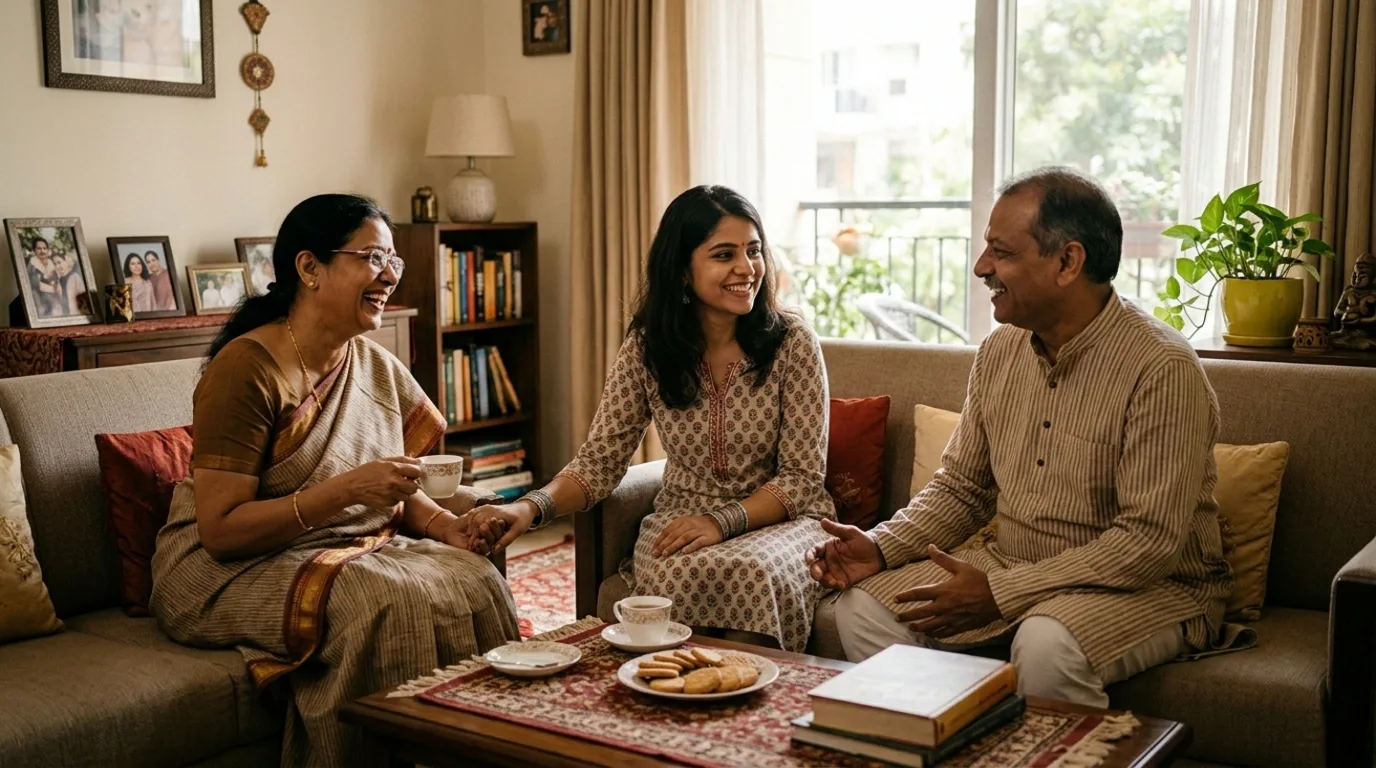
Family Guidance for Marriage: How Parents and Siblings Can Support the Search for a Life Partner
Families care deeply about a marriage, and that care works best as support, not pressure. Practical ideas for parents and siblings helping someone find a life partner.