

Community and Culture in Marriage: Honouring Traditions While Building a Life Together
By the Skymilan.com team4 min read
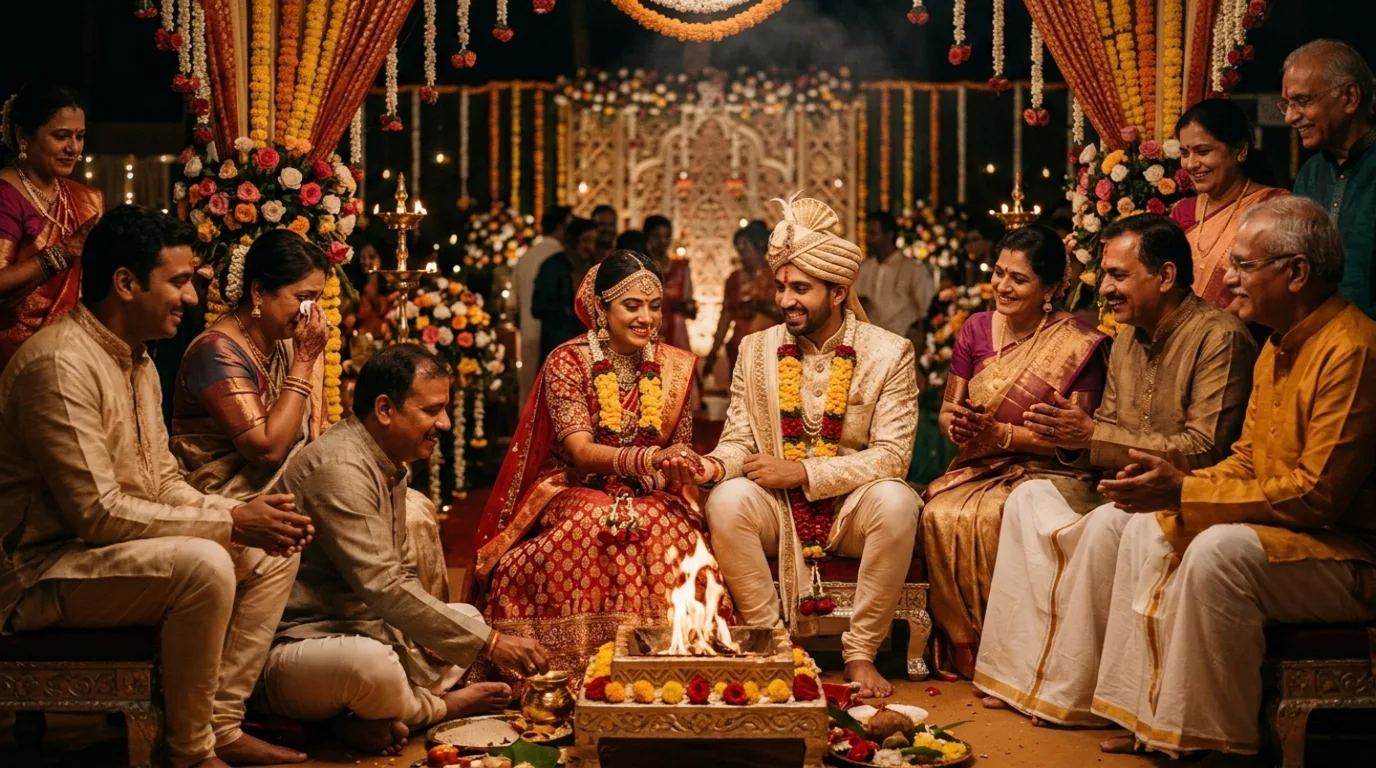
For many of us, marriage is not only a personal decision. It is also a meeting of families, communities and traditions that have been handed down over generations. Rituals, songs, food, clothing and blessings give a wedding its meaning and give families a sense of belonging. At the same time, couples today also want a marriage that reflects who they are. This guide looks at how to honour community and culture while building a life that feels right for both of you.
Why traditions matter
Traditions are more than a schedule of events. They carry memories, values and the blessings of those who came before us. A ritual performed the way a grandmother once did it, a song sung at a particular moment, or a dish prepared for a special day can make a family feel connected across time. For many people, these customs are an important part of what makes a marriage feel complete. Understanding what each custom means helps couples approach them with respect, and not as an obligation.
Learn the meaning behind the rituals
Rituals can look very different from one community to another, and even between families of the same community. Before the wedding, take time to ask elders and relatives what each custom means and why it is done. You may discover beautiful ideas about commitment, welcome, gratitude and protection. When you know the meaning, you can take part with understanding, explain it to your partner and decide how best to include it.
When two traditions come together
A couple from different communities or regions may find that their families follow different customs. Handle this with patience and kindness:
- Ask each family which customs are essential to them and which have some flexibility.
- Look for ways to include something meaningful from both sides, such as a ritual, a song, an outfit or a dish.
- Explain unfamiliar customs to guests, so that everyone can feel included and respected.
- If a custom makes someone uncomfortable, talk about it privately and look for a respectful alternative.
A wedding that honours both families often becomes a warm moment of friendship between them.
Balance respect with your own choices
Some customs fit a couple's values naturally, and others may feel less comfortable. It is possible to respect tradition and still make thoughtful choices. For example, a couple may keep the rituals that mean the most to them, and simplify or adapt others. Speak with elders calmly, listen to their reasons, and explain your own feelings without criticising their beliefs. Most families respond well to a respectful conversation, especially when they see that the couple is acting out of care for the family.
Be careful with customs that cause harm
Not every custom is helpful. Practices that put pressure on a family, such as demands for dowry, expensive gifts or displays of wealth, can cause hardship and are against the law in India in the case of dowry. A marriage should never begin with a demand. Talk openly, early and politely about what each family expects, and choose celebrations that suit your means. If you feel pressured, speak with a trusted elder, or seek advice from the authorities or a legal professional.
Food, clothes and festivals after the wedding
Culture does not end with the wedding day. It continues in the kitchen, in the festivals you celebrate and in the clothes and languages of daily life. Decide together which festivals you will celebrate, how you will share them with both families and how you will pass your traditions to your children. Many couples enjoy creating a few new family traditions of their own, which combine the best of both backgrounds.
Community support and community pressure
A community can be a great strength: relatives who help with arrangements, neighbours who bring food, elders who offer advice. But it can also bring pressure, such as comments about timing, appearance, expenses or choices. Remember that you do not need to explain every decision to everyone. Thank people for their care, take the advice that helps you and politely let the rest go. A kind but firm "we have thought about it, thank you" is often enough.
Respect other communities
Respect works in both directions. When you meet someone from a different community, approach their customs with curiosity and without judgement. Avoid stereotypes and comparisons. Every community has many voices and many ways of living, and the person in front of you is more than a label. Real respect is a good foundation for any marriage, whatever the background of the couple.
Keep your own identity
A marriage brings two people together, and each of you will continue to be a unique person. Make room for each other's faith, language, friends and cultural interests. Support your partner in staying connected to their community, and invite them to share in yours. When both people feel that their background is respected, the marriage becomes a safe space to be yourself.
A final thought
Culture and community give a marriage depth, and love gives it warmth. When couples and families approach traditions with understanding, patience and respect, a wedding becomes more than a ceremony. It becomes a celebration of where each of you comes from, and of the life you are creating together.
Ready to find someone who respects your values and traditions? Create your profile and begin your search.
Keep reading

Safety awareness
Staying Safe While Looking for a Life Partner Online: A Practical Safety Guide
Most people you meet online are genuine, but a few are not. Simple habits for protecting your information, spotting warning signs and meeting someone safely.
Marriage across India
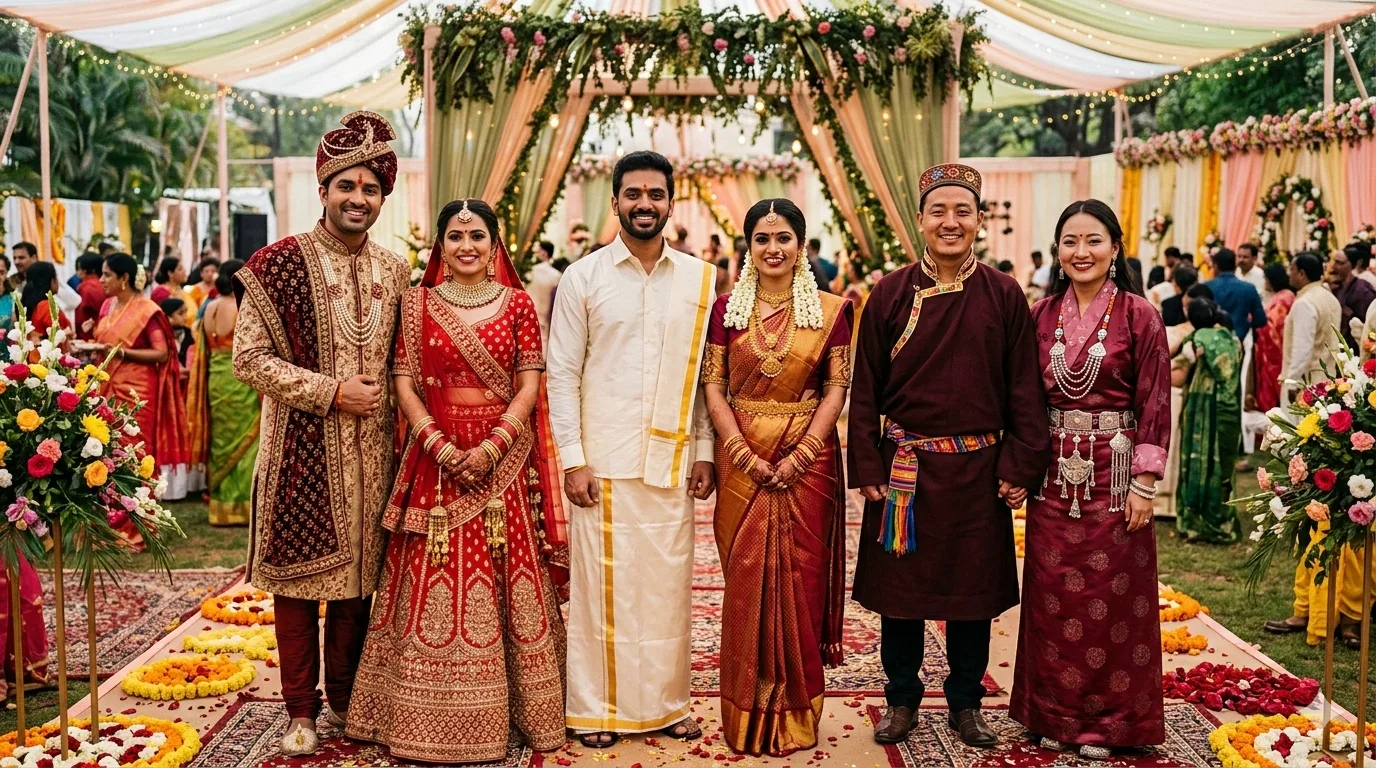
Marriage Across India: A Guide to Matches Between States, Languages and Traditions
Marrying someone from another state brings new languages, food and customs. Here is how couples and families can prepare, understand each other and settle into a new city together.
Family guidance
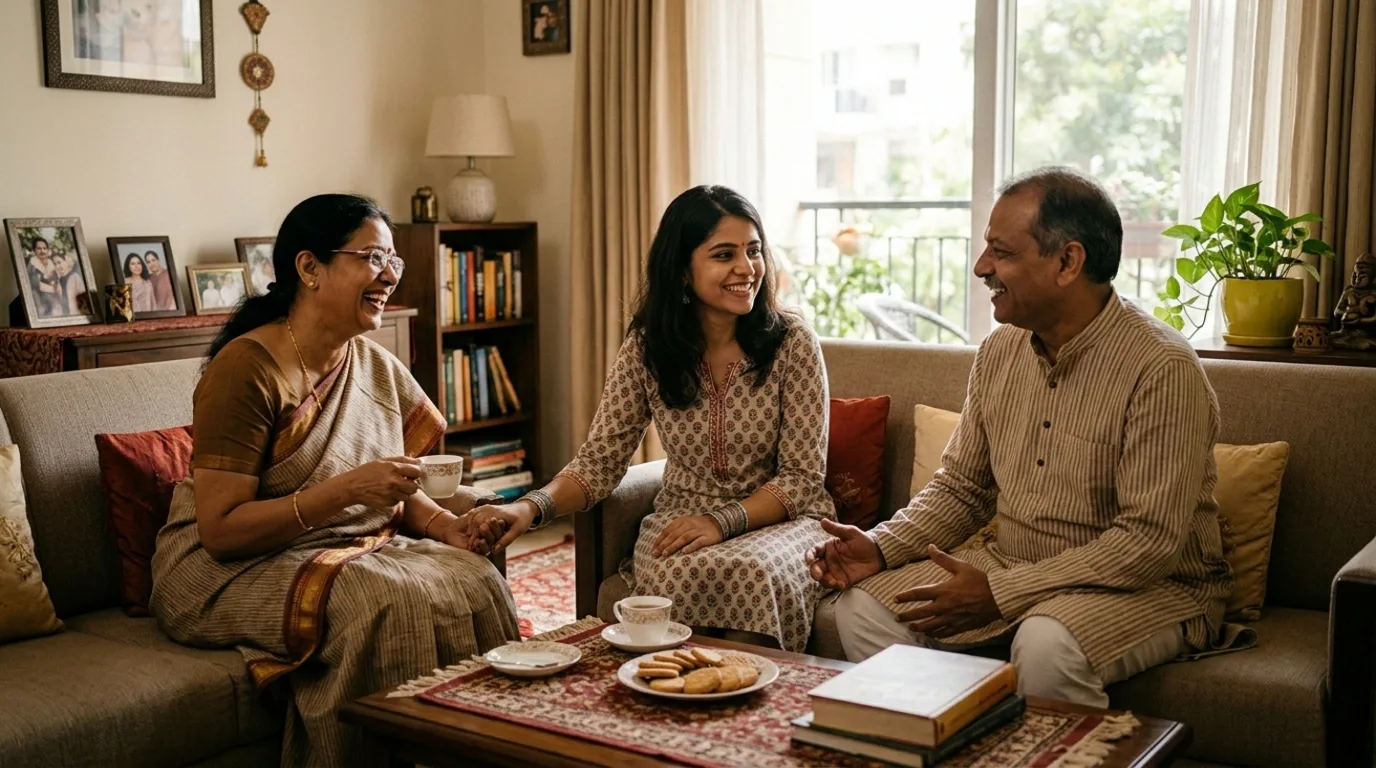
Family Guidance for Marriage: How Parents and Siblings Can Support the Search for a Life Partner
Families care deeply about a marriage, and that care works best as support, not pressure. Practical ideas for parents and siblings helping someone find a life partner.