

Family Guidance for Marriage: How Parents and Siblings Can Support the Search for a Life Partner
By the Skymilan.com team4 min read
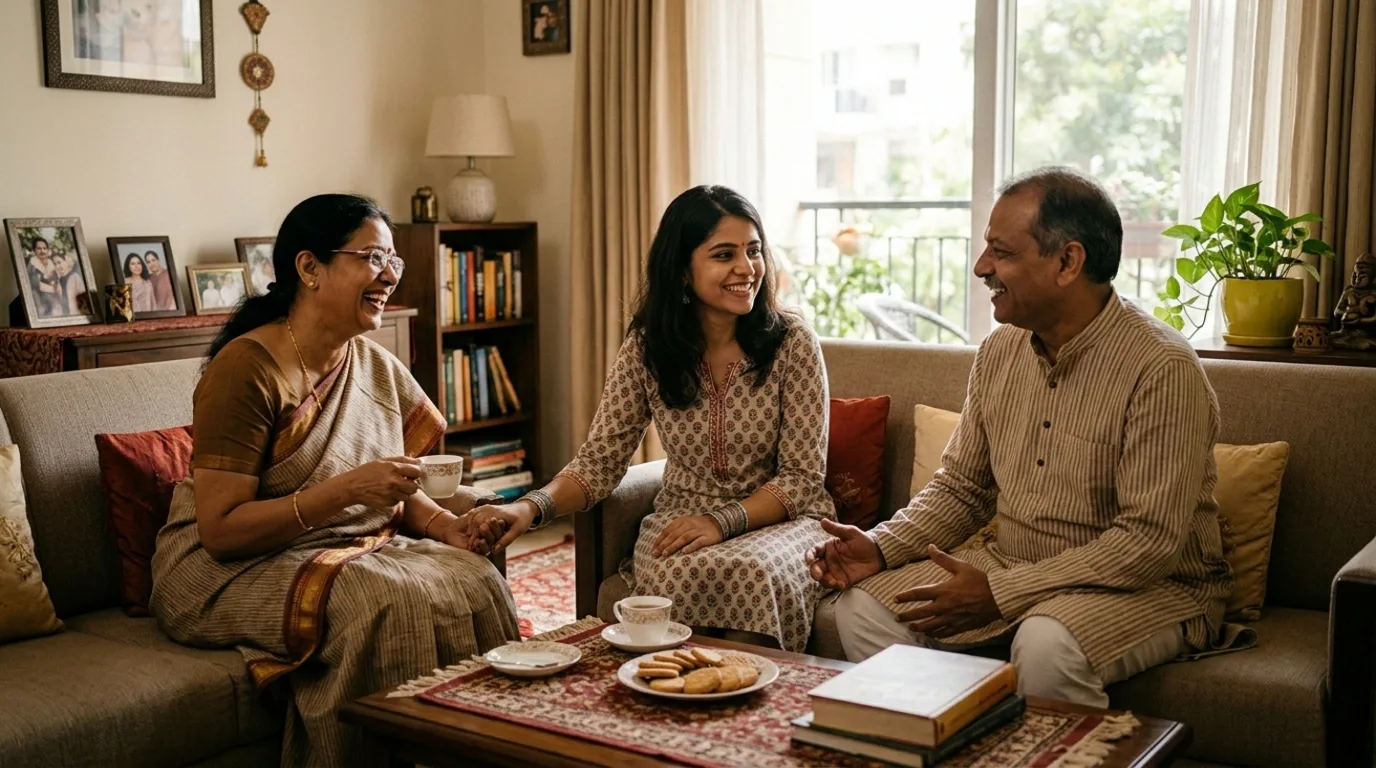
In many families, the search for a life partner is a shared effort. Parents, brothers, sisters and elders all want the best for the person getting married, and their experience can be a real help. But good intentions can also turn into pressure. This guide offers practical ideas for families who want to support a son, daughter or sibling in a way that is helpful, respectful and safe.
Begin by listening
Before looking at a single profile, sit down with the person who is getting married and ask what they are looking for. What kind of person do they imagine? What matters most: values, education, career, location, family background, interests? What are they worried about? Many misunderstandings can be avoided if the family hears the person's own wishes first, without interrupting or correcting them. Remember that they will be the one living this marriage every day.
Agree on what matters together
Families and the person getting married sometimes want different things. It helps to make two short lists together: the things that are essential and the things that would be nice to have. Essentials might be shared values, respect for family, and honesty. A particular height, salary or city is often more flexible than it first seems. Writing these down helps everyone stay clear, and it keeps the search from becoming a hunt for a "perfect" match who does not exist.
Help with the profile, but keep their voice
A good profile is honest, warm and specific. Parents and siblings can help by reminding the person of their strengths, choosing clear and recent photographs, and checking details for accuracy. But the words should still sound like the person. A profile written entirely by the family can attract matches who are looking for someone different from the real person. If you are creating a profile for a family member, make sure they agree to it and are happy with what is shared.
Look beyond the first impression
When a promising profile arrives, take time to learn more before getting excited or ruling it out:
- Read the whole profile, and not only the photo, salary or caste/community line.
- Notice how the person describes themselves and what they say about their family.
- Make polite, direct enquiries about education, work and family, and compare the answers over time.
- Talk to people who know the family, where it is appropriate and respectful.
Keep your questions kind and proportionate. Treat the other family as you would like to be treated.
Keep everyone safe
Most people on a matrimonial platform are genuine, but it is wise to be careful. Never send money, gifts, OTPs or bank details to anyone you have not met and known for a long time. Be cautious about anyone who rushes the decision, avoids video calls or meeting in person, or keeps changing their story. Arrange the first meetings in public places, with a family member aware of the plan. If something feels wrong, stop replying and report the profile.
Let the two of them get to know each other
Once both sides are interested, give the couple space to talk. Early meetings can be nerve-racking for the families, but constant questions afterwards ("What did they say? What do you think?") can feel like pressure. Let the person share in their own time. Encourage them to ask the important questions: about family, work, money, children and where they will live. A few honest conversations at this stage prevent many difficulties later.
Manage expectations about money and ceremonies
Disagreements over the wedding budget, gifts and customs can put a strain on both families. Talk openly and early about what each side expects, and keep requests reasonable. Remember that a marriage should never begin with demands or a feeling of obligation. Choose celebrations that fit your means, and focus on the couple's happiness rather than on comparison with others.
Respect "no" as an answer
Sometimes a match looks good on paper but does not feel right to the person getting married. Respecting a "no" is one of the most helpful things a family can do. Pressure to accept a proposal because the family likes it, or because the "right age" is passing, often leads to unhappiness for years. Equally, if a family declines a proposal, it is kinder to do so clearly and politely.
Support siblings and elders, too
When a family member is searching, others in the family can feel anxious or left out. Include siblings and older relatives in conversations, thank them for their help, and give them a role they are comfortable with, such as reviewing profiles or joining the first family meeting. Agree beforehand on who will speak on behalf of the family, so the other side does not receive mixed messages.
Remember that the decision belongs to the couple
Marriage is a decision of two people, and the support of both families makes it stronger. The family's role is to guide, to share experience and to give blessings, not to choose for the couple. When a family listens, stays patient and keeps the person's happiness at the centre, the search becomes a more peaceful and joyful time for everyone.
Helping someone find a life partner? Create a profile and begin together, with the person's own agreement. Read our advice on staying safe on our safety page.
Keep reading

Safety awareness
Staying Safe While Looking for a Life Partner Online: A Practical Safety Guide
Most people you meet online are genuine, but a few are not. Simple habits for protecting your information, spotting warning signs and meeting someone safely.
Community & culture
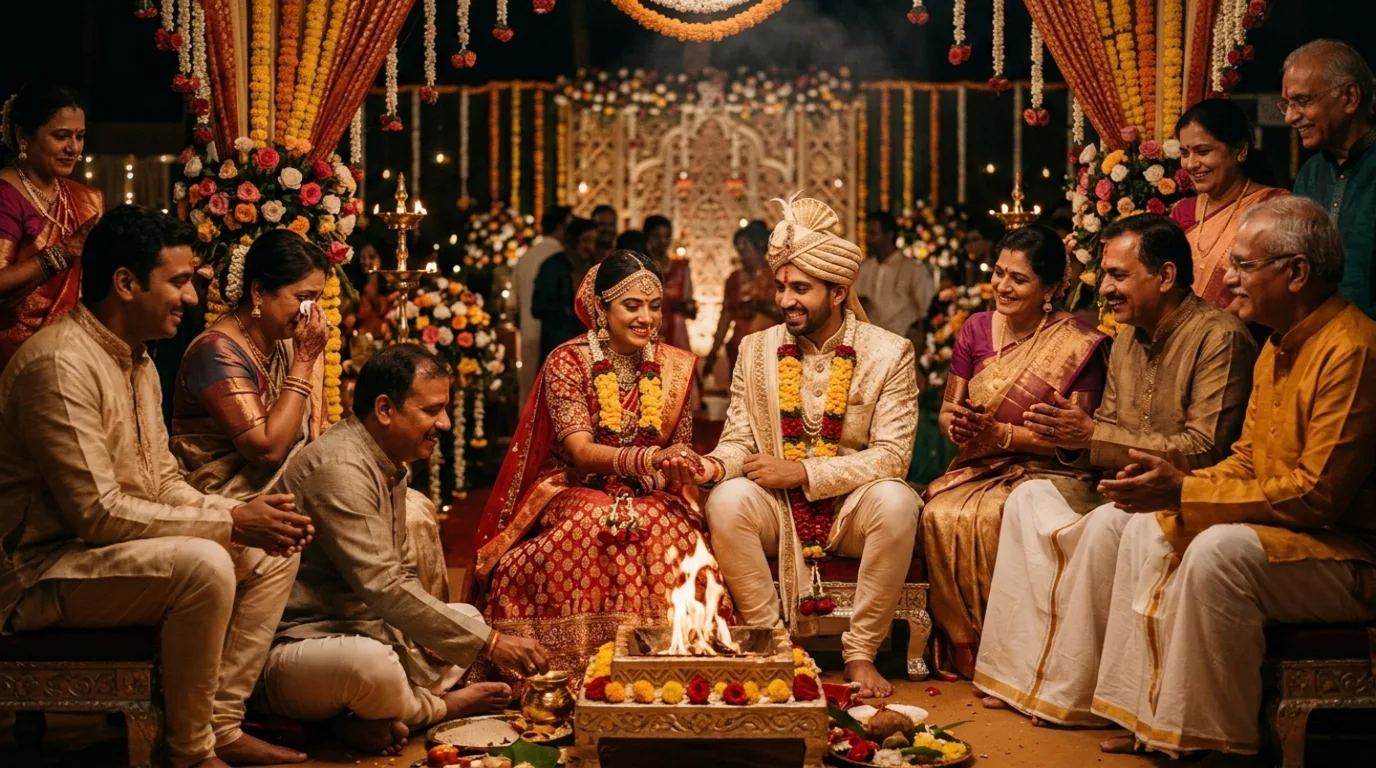
Community and Culture in Marriage: Honouring Traditions While Building a Life Together
Traditions give a wedding its meaning and a family its identity. Here is how couples can respect rituals and community values while making choices that suit them.
Marriage across India
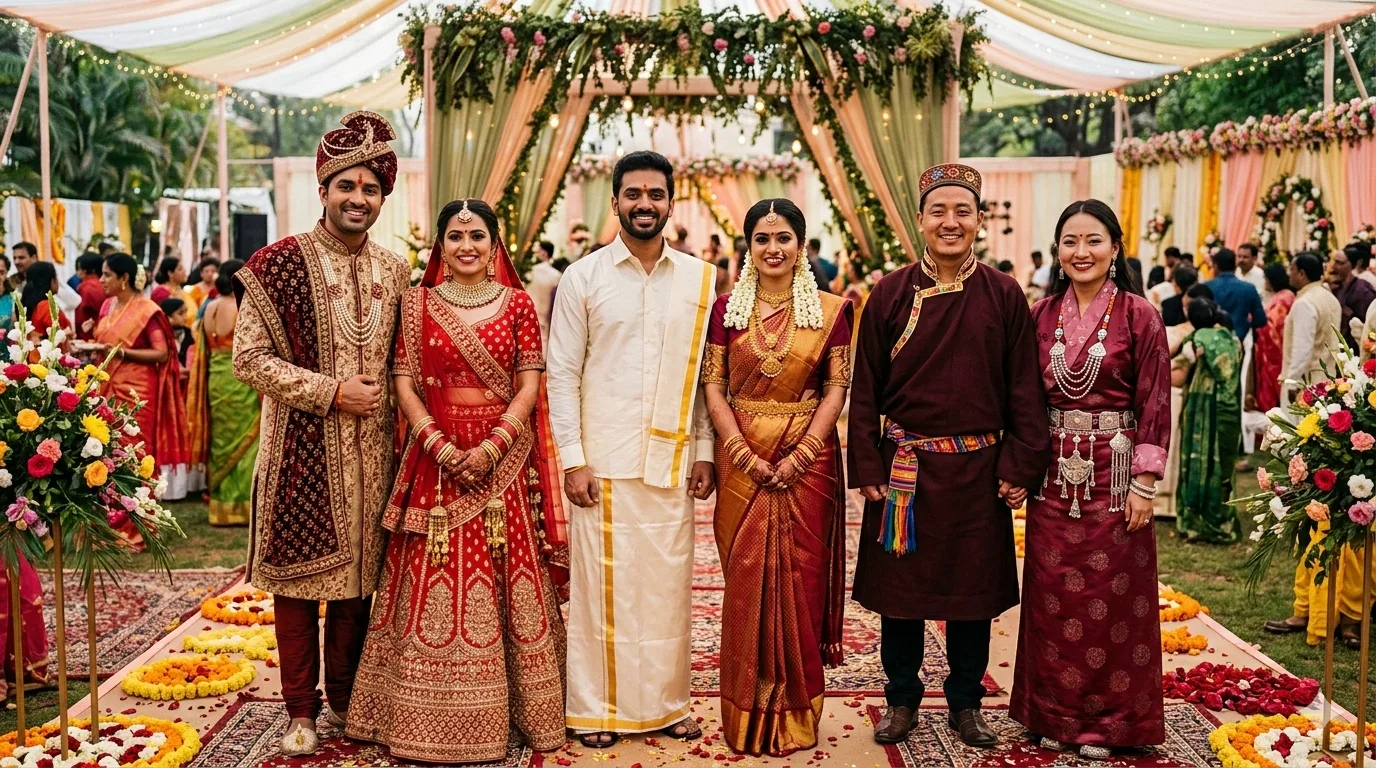
Marriage Across India: A Guide to Matches Between States, Languages and Traditions
Marrying someone from another state brings new languages, food and customs. Here is how couples and families can prepare, understand each other and settle into a new city together.